Rincón shows up in every "best surf in Puerto Rico" list, and most of what gets written about it is aimed at surfers chasing the winter swells that made the town famous. That's the wrong content if you're a beginner. Here's the version aimed at someone learning.
Two beaches, two very different beginner answers
Rincón's west-coast surf scene centers on a handful of named breaks, and the two most talked about, Domes and Sandy Beach, could not be more different for a first-timer.
Domes Beach is Rincón's signature winter break, named for the decommissioned nuclear plant dome still visible from the point. It's a reef break with a rocky, urchin-dotted bottom, a genuine rip current, and a 'toilet bowl' circulation pattern that forms when the swell gets big, water piling into the small bay and churning back out. It draws experienced surfers from across the island every winter for a reason, and it is not the place to learn.
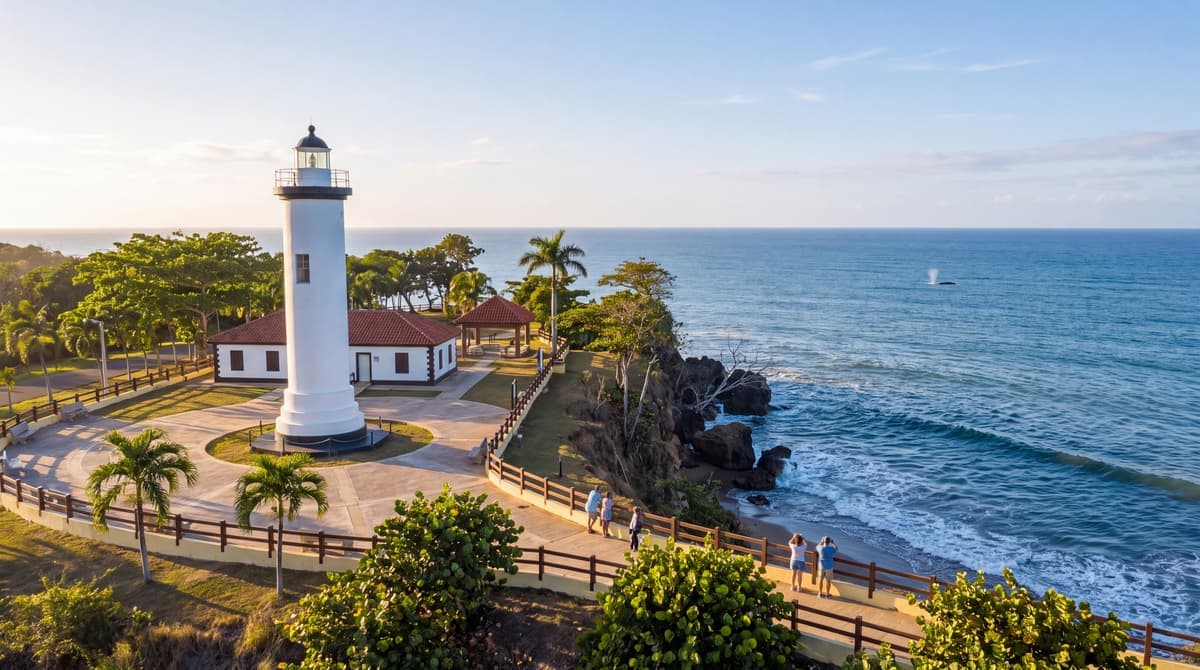
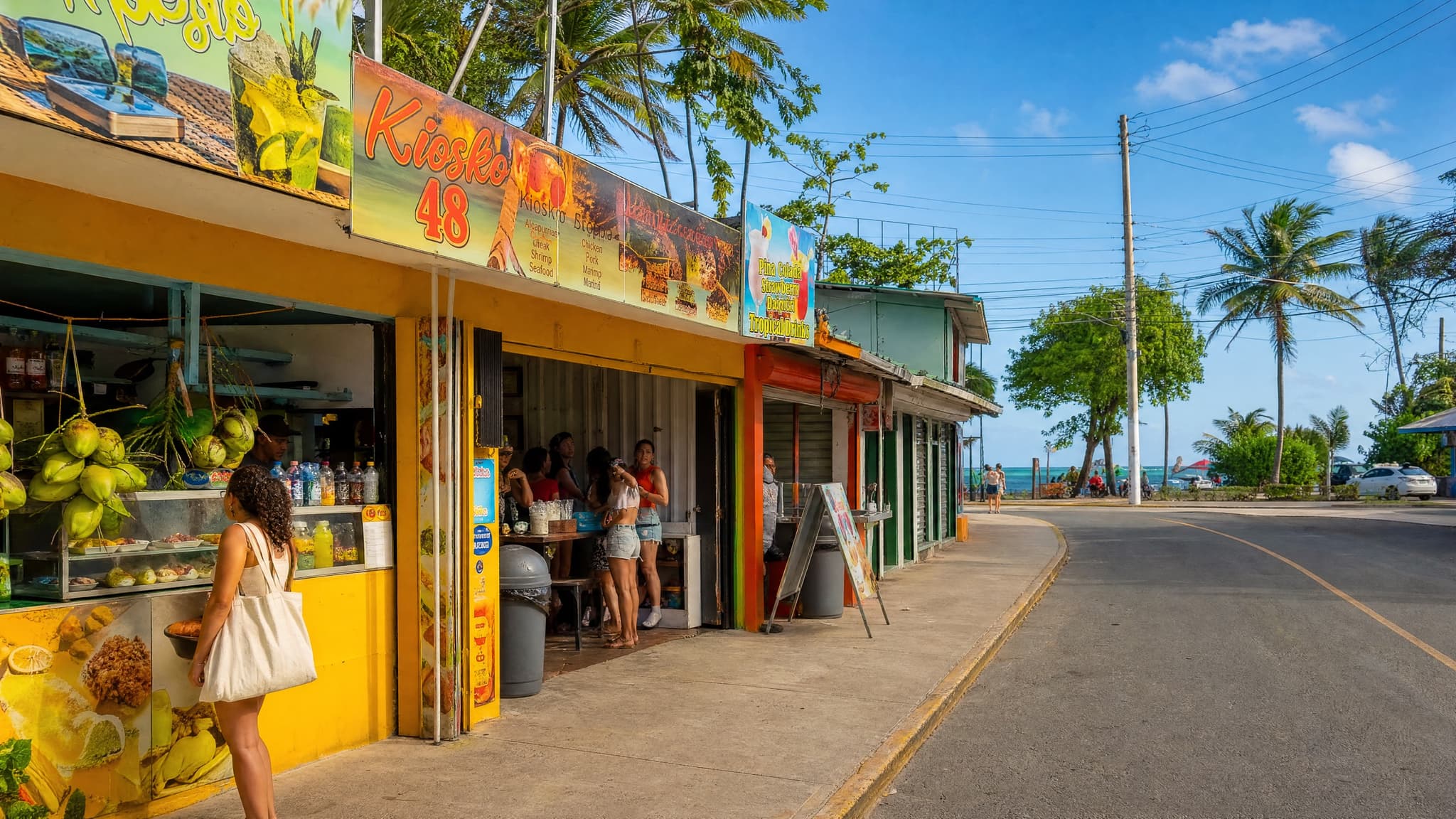
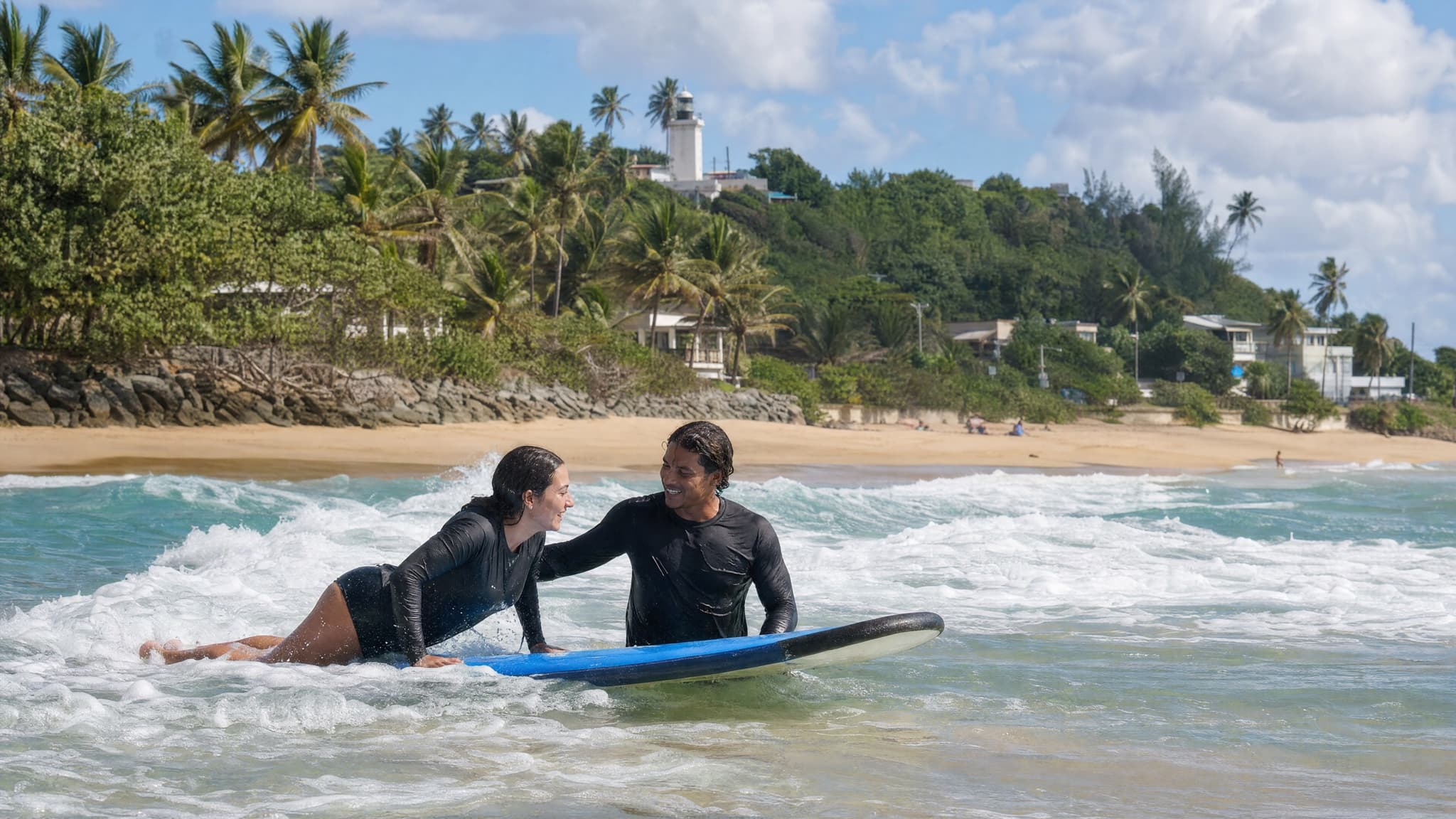
Sandy Beach, a short drive north near the Puntas neighborhood and the Punta Higüera lighthouse, is the answer. It's a wide stretch of golden sand with a gentler, more approachable break that draws beginner and intermediate surfers, bodyboarders, and paddleboarders. Rental kiosks behind the parking lot rent boards, chairs, and umbrellas, so you don't need your own gear to show up and try. There are no lifeguards at either beach, which matters: "beginner-friendly" doesn't mean risk-free, it's still open ocean, and checking conditions before you paddle out is on you.
Browse 30 vetted Puerto Rico experiences
Instant confirmation, free cancellation up to 24h.
When to actually learn: winter isn't necessarily your season
This is the part most Rincón surf content gets backwards, because it's written for surfers already past the learning stage. Winter, roughly November through April, is when Rincón's famous groundswells arrive, the same swells that put the town on the map and draw surfers from across the island to Domes. For an experienced surfer, that's the draw. For someone learning, bigger, more powerful winter swell generally means harder conditions, not easier ones, even at a comparatively gentler beach like Sandy Beach.
Summer brings smaller windswell instead of the big groundswells, generally calmer, more forgiving conditions for someone still finding their footing, literally, on a board. If your trip dates are flexible and learning is the actual goal, a summer visit sets you up better than chasing the same winter season the advanced surfers plan around.
Lesson culture: expect independent instructors, not a franchise
Rincón's surf-lesson scene runs on small, independent instructors and local surf schools rather than one big branded operation, the way a lot of surf towns work. We're not going to name a specific school here without direct verification of who's currently operating and in good standing, that changes, and a stale recommendation is worse than none. What's safe to say: ask at your hotel or short-term rental, check current reviews before booking, and expect most reputable instruction to happen at or near Sandy Beach, not Domes.
Let us plan this trip for you
We check every spot against live sources, share your dates and we'll build the rest.
Check conditions before you go, every time
Surf conditions on Puerto Rico's west coast shift day to day, and a swell forecast a beginner-friendly beach handled comfortably last week can look different this week. Check a live surf forecast (apps and sites like Surfline are widely used for exactly this) the morning of, not the night before, and if a beach looks bigger or messier than you expected when you arrive, that's the signal to sit it out or ask a local instructor whether conditions are actually beginner-appropriate that day, not a reason to push through anyway.
Lineup etiquette, briefly
Rincón has a real, established local surf community, and even a beginner-friendly beach like Sandy Beach has an actual pecking order in the water. The basics: don't paddle straight into a crowded lineup and expect priority, wait your turn, give surfers already riding a wave plenty of room, and take instruction from a lesson seriously if you're mixed in with more experienced surfers sharing the same break. None of this is unique to Rincón, it's standard surf-town courtesy anywhere, but it matters more in a town whose whole identity runs on its waves.
Find your hotel by area & budget
Compare current Puerto Rico rates across the major booking sites in one place, in USD. Most rooms are free to cancel.
The free 7-day itinerary
The exact 7 days we send friends
One email with our day-by-day Puerto Rico plan: which beach on which day, where to eat, and the tours worth booking. No spam, unsubscribe anytime.
What else is happening on this stretch of coast
Rincón's surf-town identity comes with a bonus most beginner-surf content skips: this same stretch of coast is a well-documented seasonal spot for watching humpback whales migrating offshore, roughly during the winter months, the same season the big groundswells arrive. You don't need to be in the water to enjoy that, plenty of visitors watch from the beach or the Punta Higüera lighthouse grounds near Sandy Beach. It's a reasonable add-on for a non-surf morning between lessons.
The sunset culture is not an exaggeration
Rincón faces west, one of the only stretches of Puerto Rico's coast that does at any real length, and the town's whole rhythm bends around it. Beach bars and restaurants along the coast fill up in the last hour of daylight, not for a show, just because the sunset from this specific coastline is genuinely different from the north or east coast's morning light. Sandy Beach's westward-facing shoreline makes it a legitimate end-of-day stop even on a day you didn't surf.
Browse 30 vetted Puerto Rico experiences
Instant confirmation, free cancellation up to 24h.
Getting there: Rincón is a real drive from San Juan
Rincón sits on the far west coast, and it's a genuine drive from San Juan, roughly the length of the island east to west, not a quick day trip you can bolt onto a San Juan-based itinerary without committing real time to it. Most visitors treat it as its own base for a few nights rather than a side trip, pairing it with the rest of the west coast (Crash Boat Beach and Aguadilla sit a short drive north) rather than trying to squeeze it in alongside San Juan or the east-coast attractions on the same day.
Practical logistics for a Rincón surf day
Both beaches have small, limited parking, roadside lots near the point at Domes, a lot behind the palm trees at the kiosks for Sandy Beach, and both fill during peak surf season. Neither has facilities beyond the Sandy Beach rental kiosks; plan to eat and rent gear in Rincón town itself, a short drive from either beach. If you're building a longer west-coast stay around this, our beach guide covers the rest of the island's swim-safety notes beach by beach, and if you're pairing Rincón with time in San Juan, our long-weekend guide covers the other end of that trip.
Let us plan this trip for you
We check every spot against live sources, share your dates and we'll build the rest.
The honest bottom line
Learn at Sandy Beach, not Domes. Consider a summer trip over a winter one if learning, not watching advanced surf, is the actual goal. Rent from the kiosks if you don't have your own board. And build in time to just watch the sunset from the sand even on the days you don't paddle out.
If Rincón is your main draw but you also want a taste of the island's other signature experiences, it pairs reasonably with a west-coast-focused trip rather than trying to bolt on the bio bays or Old San Juan, both are on the opposite side of the island and better treated as a separate leg of the trip than a day trip from here. Build a Rincón stretch around the surf, the sunsets, and the town itself, and save the east-coast and San Juan attractions for their own days.