There's no single "best" month for Puerto Rico, there's a best month for what you're optimizing for: weather certainty, price, crowd size, or catching the bioluminescent bay on a dark-enough night. Here's the honest version of each trade-off.
December through April: the reliable window, and the busiest one
This is Puerto Rico's dry season, and it's dry for a real reason: the trade winds shift and rainfall drops noticeably compared to the rest of the year. It's also the period with the most visitors and the highest prices for flights and hotels, for the obvious reason that everyone else figured out the same thing. December through March brings the driest, most consistent weather; April functions as a transition month into the wetter season, still generally good, with rain becoming a bit more likely toward the end of the month.
If certainty matters more to you than price, this is your window. Book early: hotel rates and flight prices climb the closer you get to peak weeks like the days around Christmas, New Year's, and spring break.

Bio Bay Kayak Tour in Fajardo
2 Hours · From $89. Live prices, dates, and the honest details, one page.
Hurricane season, honestly: June through November
Puerto Rico sits in the Atlantic hurricane belt, and hurricane season runs June 1 through November 30 every year, no exceptions. NOAA's 2026 Atlantic season outlook gives a 55% chance of a below-normal season, a 35% chance of near-normal, and only a 10% chance of an above-normal season, with 8 to 14 named storms forecast, of which 3 to 6 become hurricanes and 1 to 3 become major hurricanes. That's a genuinely reassuring forecast, but "below-normal" doesn't mean zero, and any single storm can still disrupt a specific week regardless of the season-wide average.
The honest trade-off: the cheapest flights and hotel rates of the year often land in September and early October, which is also the most active stretch of hurricane season. If you're comfortable with travel insurance and flexible plans, that's a real value window. If a disrupted trip would be a genuine problem, lean toward the December-through-April window instead, which sits entirely outside hurricane season. For the fuller picture on what an actual storm season means for a trip already booked, see our hurricane season guide.
The shoulder-season sweet spot: mid-April into June, and November
Between the dry-season crowds and the deep summer heat and rain sits a genuinely good value window: mid-April through early June, and again in November. Prices are lower than peak season, crowds are thinner, and the weather is still generally decent, warm with rain that tends to come in short afternoon bursts rather than settling in for the day. This is the window we'd point a flexible traveler toward first: most of the upside of the dry season, without paying dry-season prices.
Want your whole trip planned for you?
Tell us who is coming and when, and we will build your days around what you actually want.
Time your bio bay night around the moon, not the calendar
This is the one piece of timing advice that applies no matter which month you pick. Puerto Rico's bioluminescent bays glow because of microorganisms in the water, and that glow is genuinely dimmed by moonlight, meaning the nights within roughly three to five days of the new moon are the best viewing windows, and full-moon nights are the worst. On Vieques that is a hard stop: DRNA keeps Mosquito Bay closed to tour companies for the night before, the night of and the night after the full moon. Fajardo has no such closure, so a full-moon night there costs you the glow rather than the tour. That means "the best time to see the bio bay" isn't a month, it's a specific handful of nights every month. We built a full breakdown of all three bays and how to time your visit around this exact mechanic, since it matters more than which season you're traveling in.
Summer (June through August): hurricane season, but also local-travel energy
Summer sits inside hurricane season, but it isn't a dead season on the ground. This is when Puerto Rican families travel locally, school's out, and the island's own beach culture is in full swing at the balnearios and kiosks, a different, more local-facing energy than the December-to-April window's heavier mainland-visitor crowd. Heat and humidity peak in these months too, expect genuinely hot, sticky afternoons on the coast, with rain that tends to arrive as a short, heavy afternoon burst rather than an all-day soak. If a lower-key, more local-feeling trip appeals to you more than a resort-season crowd, summer delivers that, with the hurricane-season trade-off named plainly above.
Let us plan this trip for you
We check every spot against live sources, share your dates and we'll build the rest.
The free 7-day itinerary
The exact 7 days we send friends
One email with our day-by-day Puerto Rico plan: which beach on which day, where to eat, and the tours worth booking. No spam, unsubscribe anytime.
Microclimates: the coast, San Juan, and the mountains don't match
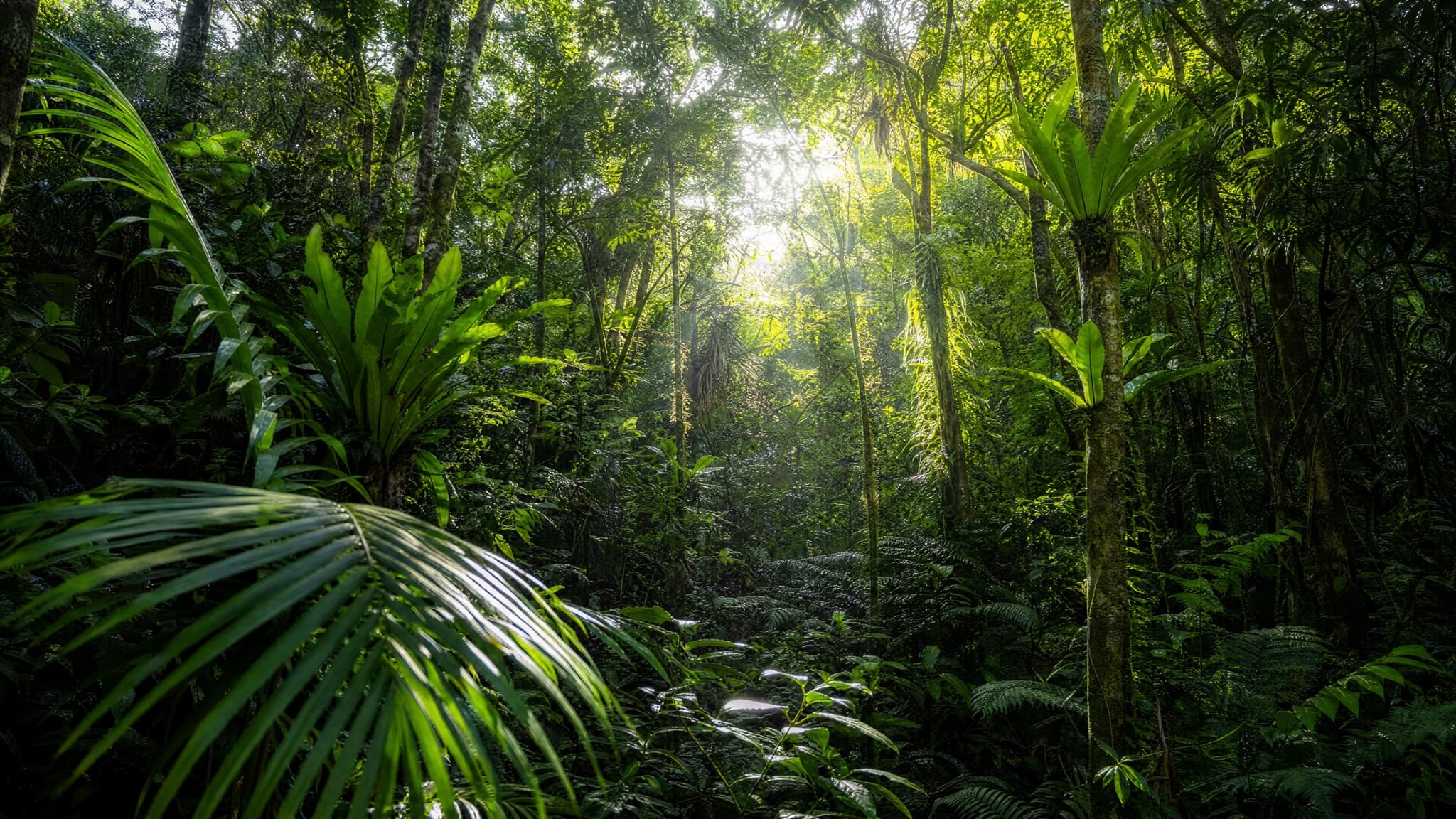
Puerto Rico is small, but its weather isn't uniform across it. El Yunque rainforest gets meaningfully more rainfall than the coast in any given month, that's what makes it a rainforest, so a rainy afternoon in the mountains doesn't necessarily mean a rainy afternoon in San Juan or on a west-coast beach, and vice versa. If your itinerary spans the coast and the interior in the same trip, pack for both rather than assuming one forecast covers the whole island.
The one festival worth building a trip around
If nightlife and street culture are part of why you're going, mid-January is worth knowing about. Old San Juan hosts the Fiestas de la Calle San Sebastián, known locally as SanSe, an annual multi-day street festival of live music, parades, and food that takes over the old city's cobblestone streets. In 2026 it ran January 15 through 18. It's free to attend, draws real crowds, and the exact dates shift slightly from year to year, so check the current year's schedule before building a trip around it, but as a general "does Puerto Rico have a signature annual festival" answer, this is it.
Browse 30 vetted Puerto Rico experiences
Instant confirmation, free cancellation up to 24h.
Watch the holiday weeks specifically, not just the season
Even within the December-through-April peak, a handful of specific weeks run noticeably higher than the rest of the season: the stretch from Christmas through New Year's, and the various spring break weeks scattered across March and early April depending on the school calendar you're working around. If your dates are flexible at all, shifting even a week off one of these peaks, earlier or later, can mean a real difference in flight and hotel pricing without giving up much of the dry season's reliable weather.
So, when should you actually go?
For the most reliable weather, and you don't mind paying for it: December through March.
For the best value without much weather risk: mid-April through early June, or November.
For the lowest prices, and you're comfortable with some hurricane-season risk plus travel insurance: September into early October.
For nightlife and street culture: mid-January, timed around SanSe.
For surfers specifically, winter (roughly November through March) is when Rincón's famous swells actually show up, worth knowing if that's the trip; see our beginner's guide to surfing Rincón for the honest version of who that season actually suits.
For families with school-age kids, the calendar mostly gets decided for you: winter break, spring break, and summer are the realistic windows regardless of what's cheapest, so the useful move is picking the best week within whichever of those windows you're already locked into rather than fighting the school calendar. Within winter break, the days immediately after Christmas run the most crowded; within summer, early June and late August tend to be quieter than the peak mid-July stretch when most US school districts are fully out.
There's no wrong month for Puerto Rico. There's a month that matches what you're actually trying to optimize.