Ponce is Puerto Rico's second city, on the south coast roughly 70 miles from San Juan, and it is the most distinct city trip the island offers: plaza culture, neoclassical and criollo architecture, and a civic identity locals summarize as "Ponce es Ponce", Ponce is Ponce. It is also the destination where honest, current information matters most, because two of its headline attractions still carry earthquake damage from January 2020, and plenty of older guides describe a Ponce that is not quite the one you will find. This guide is what actually holds up in 2026: how to get there, what is genuinely open, and who should or should not give it a day.
What Ponce actually is
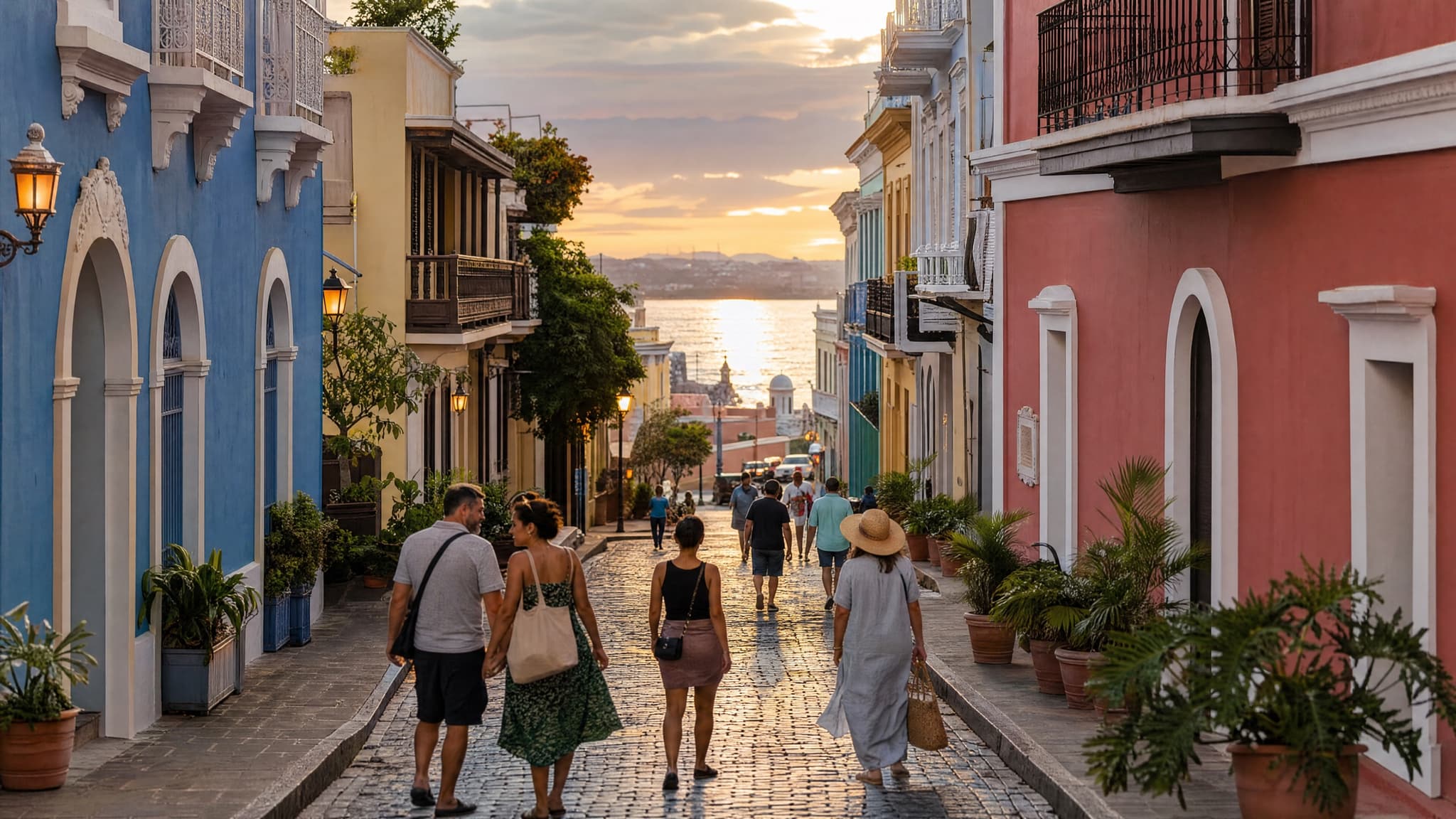
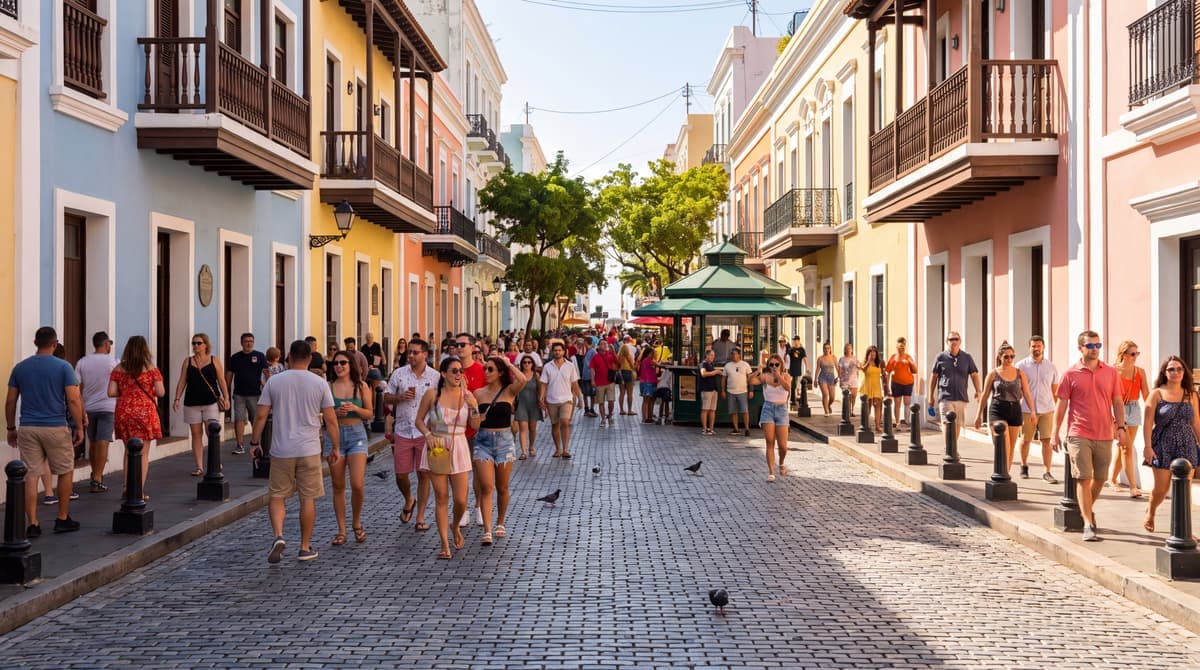
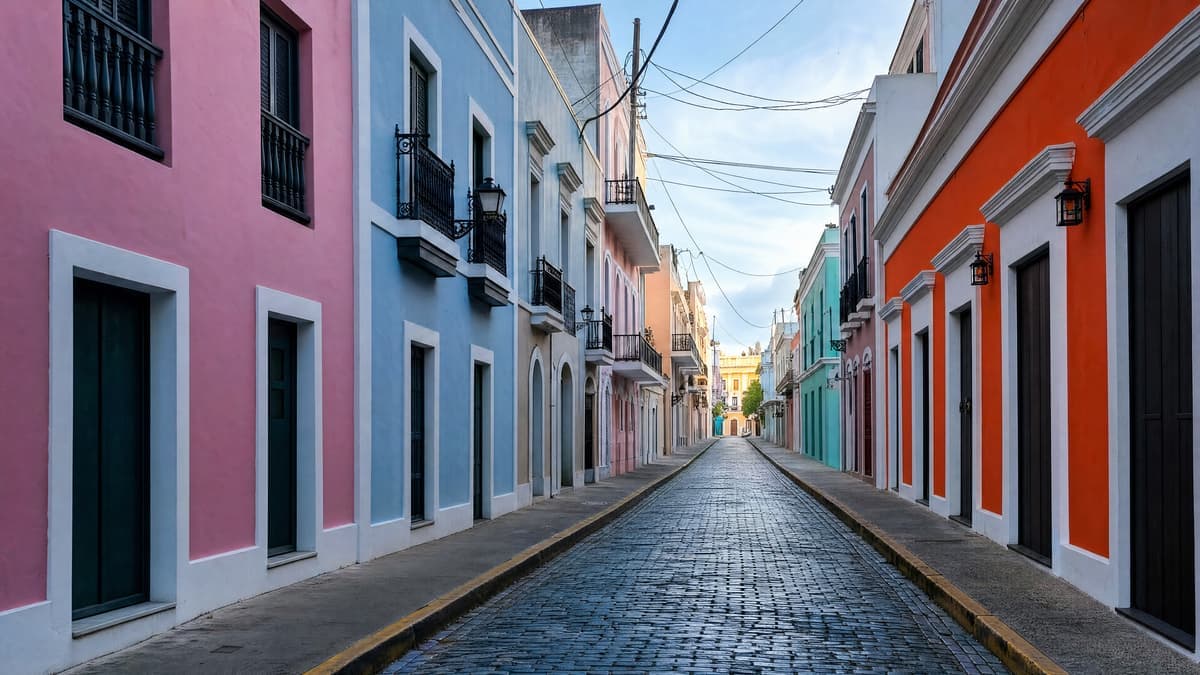
Ponce grew rich in the nineteenth century on sugar, rum, and shipping, and the money went into buildings: the historic center around Plaza Las Delicias is a concentrated grid of colonial and neoclassical facades, wrought-iron balconies, and civic architecture that feels different from Old San Juan's Spanish-fortress compactness. Where Old San Juan is a walled city built for defense, Ponce is a mercantile city built for show, and the difference is visible on every block.
It is a working city rather than a resort town. There is no hotel strip, no beach scene to speak of in the center, and the rhythm is local: busiest in daytime, quiet in the evening, liveliest around the plaza. That is precisely the appeal for travelers who want to see a Puerto Rican city that is not organized around visitors, and precisely the reason a beach-first itinerary can skip it without regret.
Browse 30 vetted Puerto Rico experiences
Instant confirmation, free cancellation up to 24h.
Getting there from San Juan
The drive is the PR-52 toll road, the island's main north-south autopista, crossing the central mountains through Caguas and Cayey before dropping to the Caribbean coast. It is roughly 70 miles and takes about an hour and a half door to door in normal traffic, closer to two hours if you hit San Juan's rush hour on either end. Budget for tolls and use an AutoExpreso-equipped rental; our car rental guide covers how the toll system actually works.
Two honest notes on the drive. First, it is a genuinely scenic run once you clear the metro area, up through green mountains and down to the dry south coast, whose landscape looks nothing like the rainforest side of the island. Second, there is no practical way to do Ponce without a car or a booked tour: no useful public transit link exists for visitors, and rideshare coverage on the south coast is thin. Drive it in daylight in both directions if you can; the road is fine at night, but you would be driving an unfamiliar mountain highway for no reason when timing it differently costs nothing.
The historic center: what you can see in an afternoon
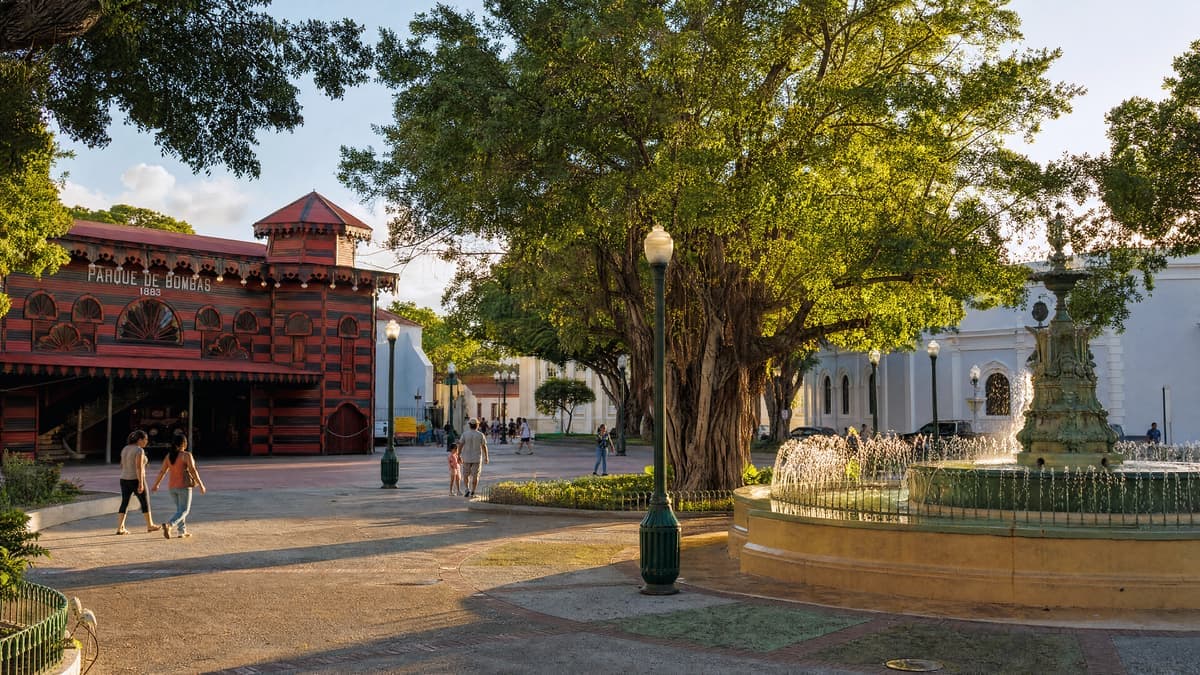
Everything in the core sits within a few blocks of Plaza Las Delicias, the double plaza at the city's heart, with the Fuente de los Leones lion fountain at one end and the cathedral in the middle.
Parque de Bombas is the building you have seen in photos: the red-and-black striped 1882 firehouse on the plaza, now a small, free museum of the city's firefighting history. It is a quick visit, fifteen to thirty minutes, and it earns its icon status more as architecture than as a museum; the building was originally an exhibition pavilion and looks like nothing else on the island.
Catedral Nuestra Senora de la Guadalupe divides the plaza in two, one of the only churches on the island to sit in the center of its square rather than facing it. It is a working cathedral, not a museum: entry is free, hours are limited and built around services, mornings are the reliable window, and dress and behavior should match an active church.
The streets themselves are the underrated attraction. Calle Cristina, Calle Reina, and the blocks radiating off the plaza carry the concentration of facades that made the center a historic district; walking them costs nothing and takes an hour you will not regret. A guided walking tour departing from Plaza Las Delicias exists for travelers who want the history narrated rather than self-guided.
Want your whole trip planned for you?
Tell us who is coming and when, and we will build your days around what you actually want.
The museum reality, stated plainly
Museo de Arte de Ponce holds the largest art collection in the Caribbean, and it has been the city's flagship cultural draw for decades. The plain truth for 2026: the main Edward Durell Stone building has been closed for reconstruction since the January 2020 earthquakes. A partial reopening operates with limited hours and reservation-required guided visits, and a full reopening is not expected until around 2028. If the museum is your main reason for driving south, check its current status on the museum's own site before committing the day, and treat anything you read elsewhere, including this paragraph, as a snapshot.
Museo Castillo Serralles is the working alternative, and it is open: the 1930s Spanish Revival mansion of the Serralles family, the Don Q rum dynasty, on the hillside above the city beside the Cruceta del Vigia cross. Visits run as guided tours, offered in Spanish and English on a posted schedule with limited group sizes, covering the house, the rum story, and the gardens, with a terrace view over the whole city to the Caribbean that is worth the ticket by itself. Book or confirm tour times ahead rather than walking up.
Hacienda Buena Vista: the coffee estate in the hills
About a half hour north of the city in the Rio Canas hills, Hacienda Buena Vista is a restored nineteenth-century coffee plantation run by Para la Naturaleza, the conservation nonprofit, and it is one of the island's best history visits: original waterwheel-driven machinery, the estate house, and a working sense of how the coffee economy actually operated. It is open for guided visits year-round, in English and Spanish, but access is by reservation, booked through Para la Naturaleza in advance, not a walk-in stop. If you want it in your Ponce day, book it first and build the rest of the day around your tour slot.
Let us plan this trip for you
We check every spot against live sources, share your dates and we'll build the rest.
The free 7-day itinerary
The exact 7 days we send friends
One email with our day-by-day Puerto Rico plan: which beach on which day, where to eat, and the tours worth booking. No spam, unsubscribe anytime.
La Guancha, honestly
La Guancha, the waterfront boardwalk south of the center, was for years Ponce's evening gathering spot: kiosks, music, tarpon-feeding off the pier. The current state needs saying plainly: the original wooden boardwalk was damaged by the 2020 earthquakes and has never fully reopened. What operates today is a rebuilt food-truck-and-kiosk park alongside it, which brings back some of the food and evening energy without the boardwalk itself. Go for a casual local dinner if you are staying the night; do not build the trip around a boardwalk experience that is not currently there in its old form.
Day trip or overnight?
The day trip is the standard version and it works: leave San Juan by 8:30, plaza and Parque de Bombas and the historic streets before lunch, Castillo Serralles or the art museum's limited visit after, and back over the mountains before dark. It is a full day with three-plus hours of driving in it, which is exactly why it should be a deliberate choice rather than a casual add-on.
The overnight earns its place in two cases: you booked a Hacienda Buena Vista tour and want the day to breathe, or Ponce is your staging point for the southwest, Cabo Rojo and La Parguera's bio bay sit another hour west, and stringing Ponce into a south-coast loop beats doing two separate long drives from San Juan. Hotel choice in Ponce is limited but real; do not expect a resort scene.
If your trip is a week, our 7-day itinerary shows where a south-coast day actually fits without wrecking the rest of the plan, and the day trips from San Juan guide ranks Ponce honestly against the closer options.
Find your hotel by area & budget
Compare current Puerto Rico rates across the major booking sites in one place, in USD. Most rooms are free to cancel.
Worth it if, skip it if
Worth it if: you care about architecture, history, or seeing a Puerto Rican city that is not built around tourism; you are already heading southwest; you have five or more days on the island; a reserved Hacienda Buena Vista tour anchors the day; or you have done Old San Juan before and want the island's other great historic center.
Skip it if: your trip is under five days and beach-and-rainforest shaped, the east side, El Yunque, Fajardo, Culebra, simply pays better per hour of effort on a short trip; the Museo de Arte at full strength is your only draw, wait for the reopening around 2028; or you would be doing it just to check off a second city. Ponce rewards interest, not obligation.
FAQ
How far is Ponce from San Juan? Roughly 70 miles via the PR-52 toll road, about an hour and a half of driving in normal traffic and closer to two hours at peak times. There is no practical visitor transit link, so it is a rental-car or booked-tour trip.
Is the Museo de Arte de Ponce open? Partially. The main building has been under reconstruction since the January 2020 earthquakes; limited, reservation-based visits operate in the meantime and a full reopening is not expected until around 2028. Check the museum's own site before building a day around it.
What is Parque de Bombas and does it cost anything? The red-and-black striped 1882 firehouse on Plaza Las Delicias, now a small free museum of Ponce's firefighting history. It is the city's most photographed building and a quick visit.
Is Hacienda Buena Vista worth it? Yes, for history-minded travelers: a restored waterwheel-driven coffee estate run by the Para la Naturaleza conservation trust. Visits are guided and by advance reservation only, so book the tour first and plan the day around it.
Is Ponce a day trip or an overnight? A day trip works for the historic center plus one museum. Stay overnight if you booked Hacienda Buena Vista, want the evening food-truck scene at La Guancha, or are continuing west to Cabo Rojo and La Parguera rather than driving back to San Juan.